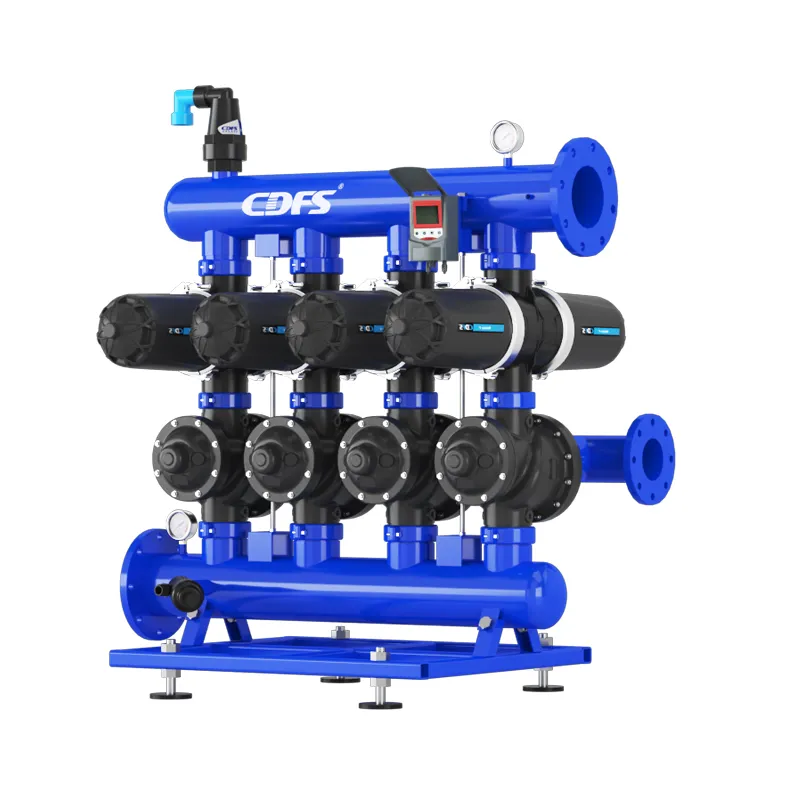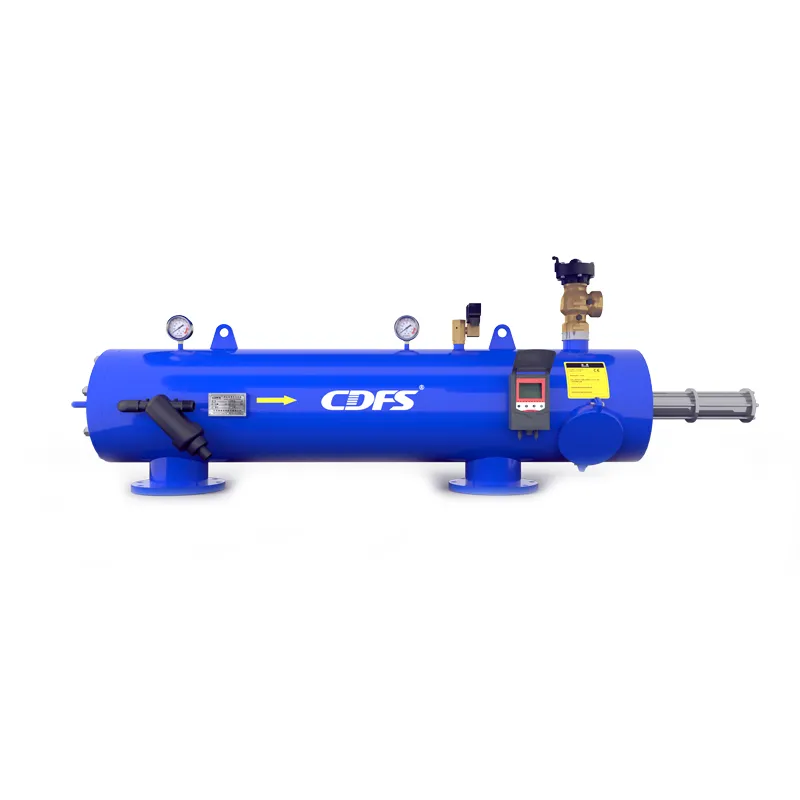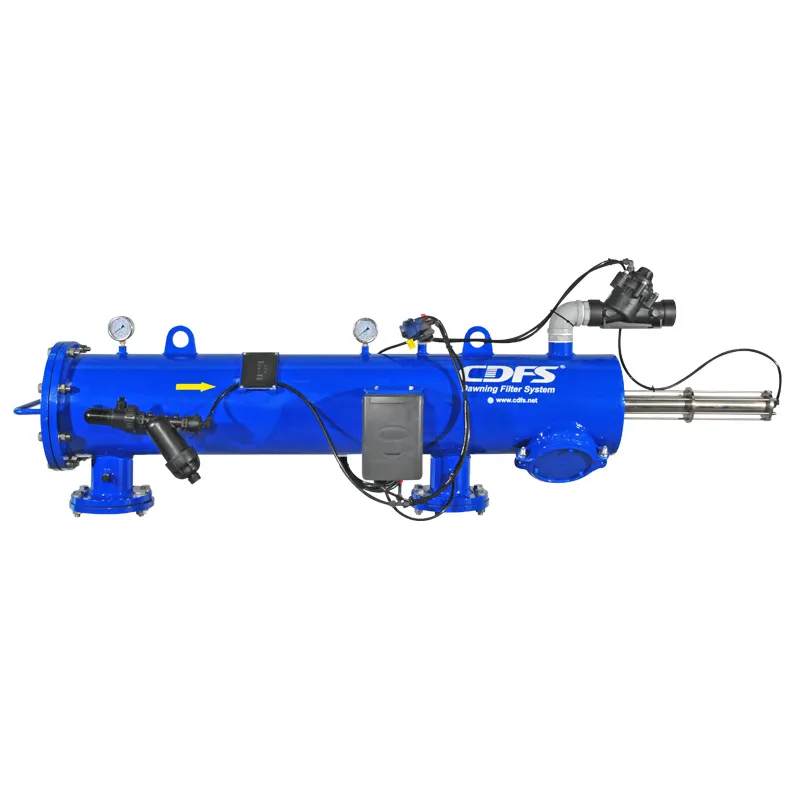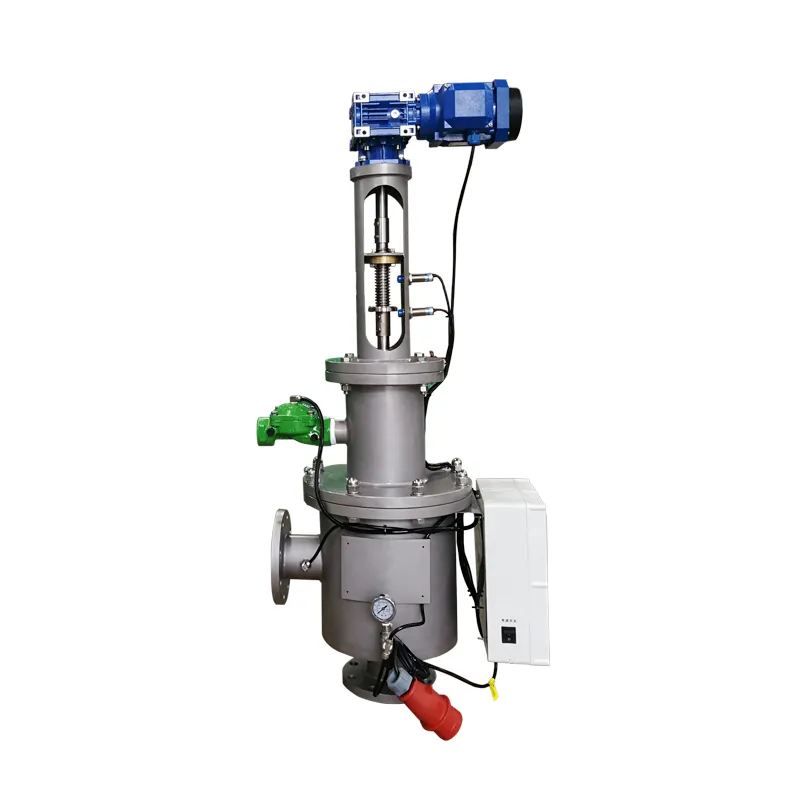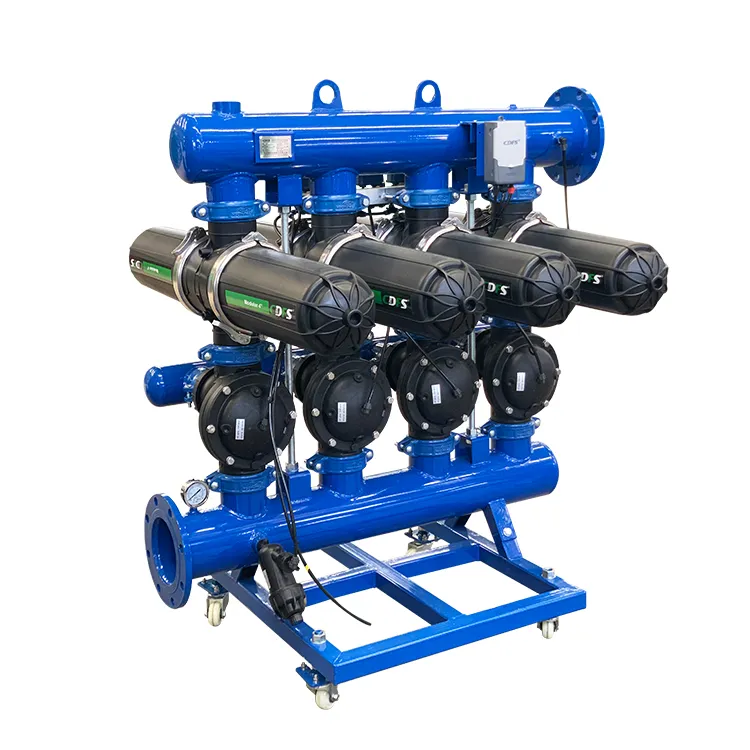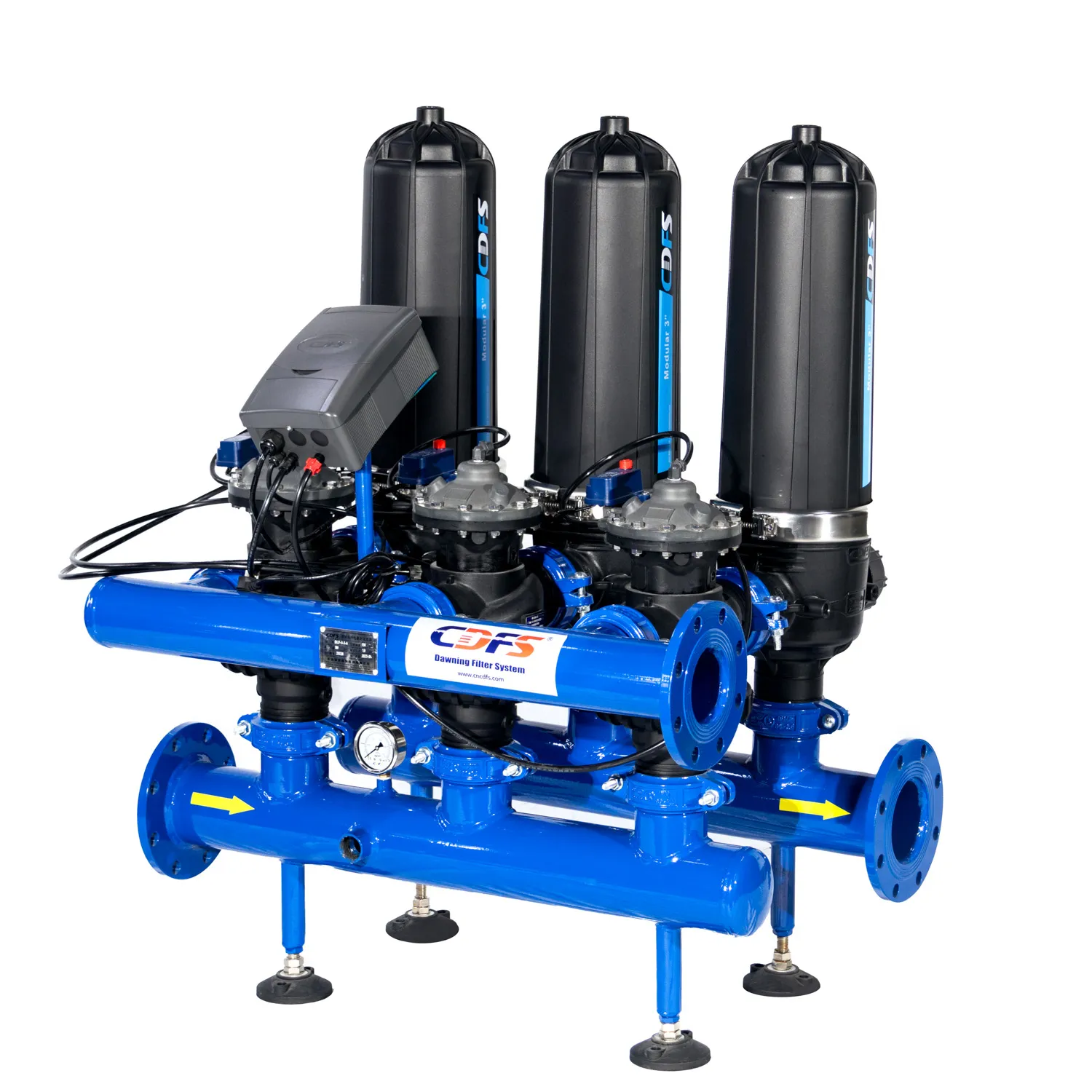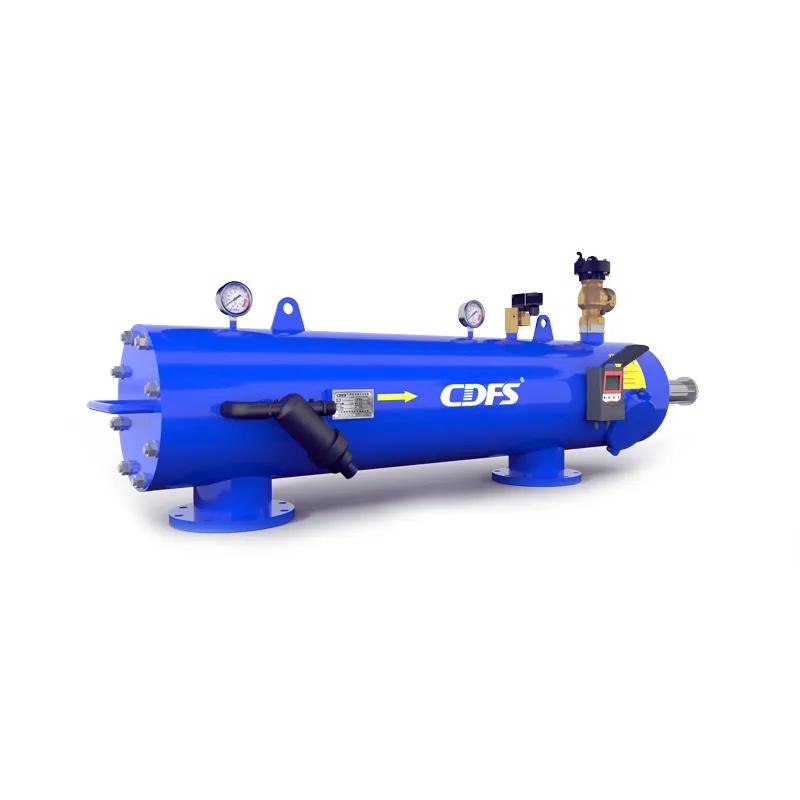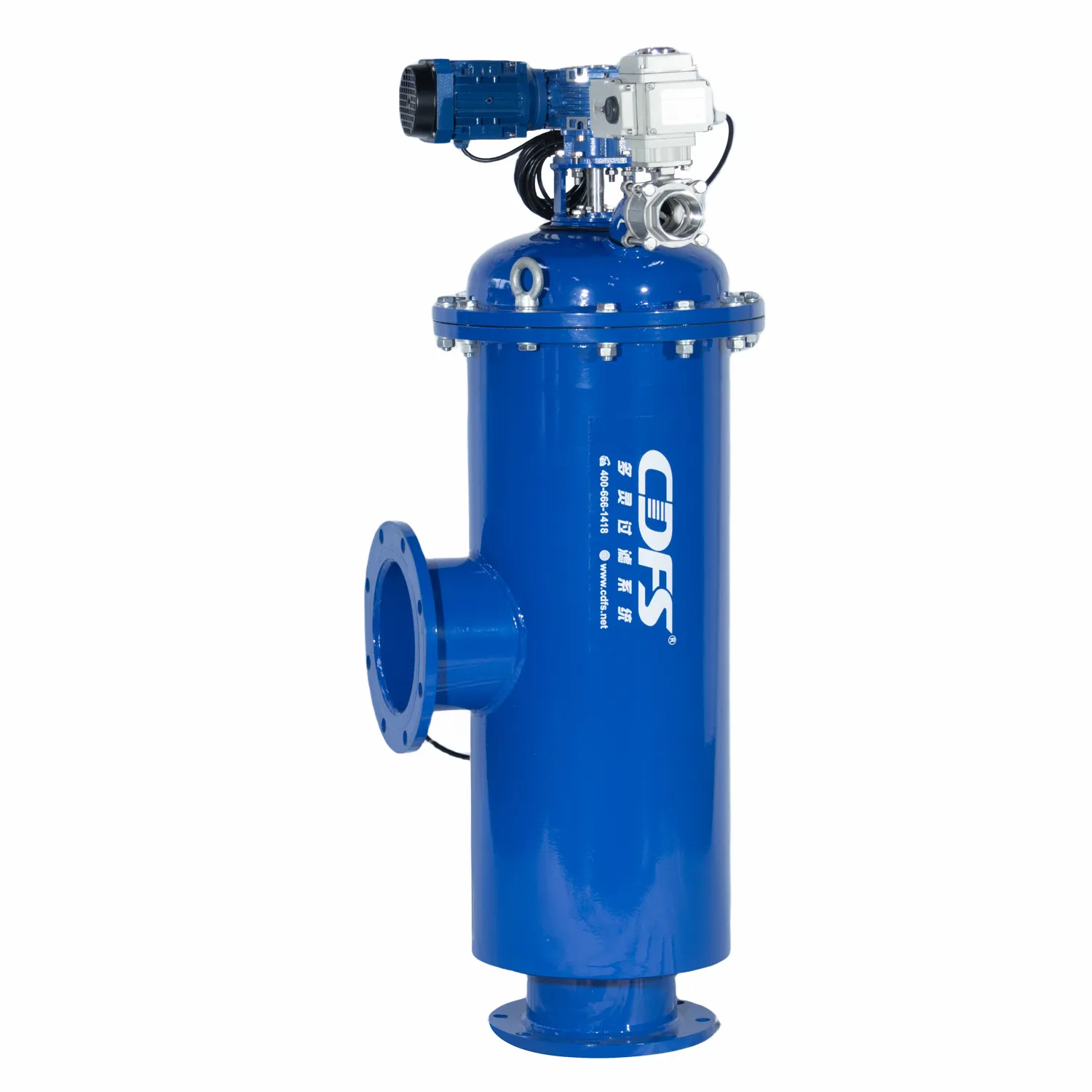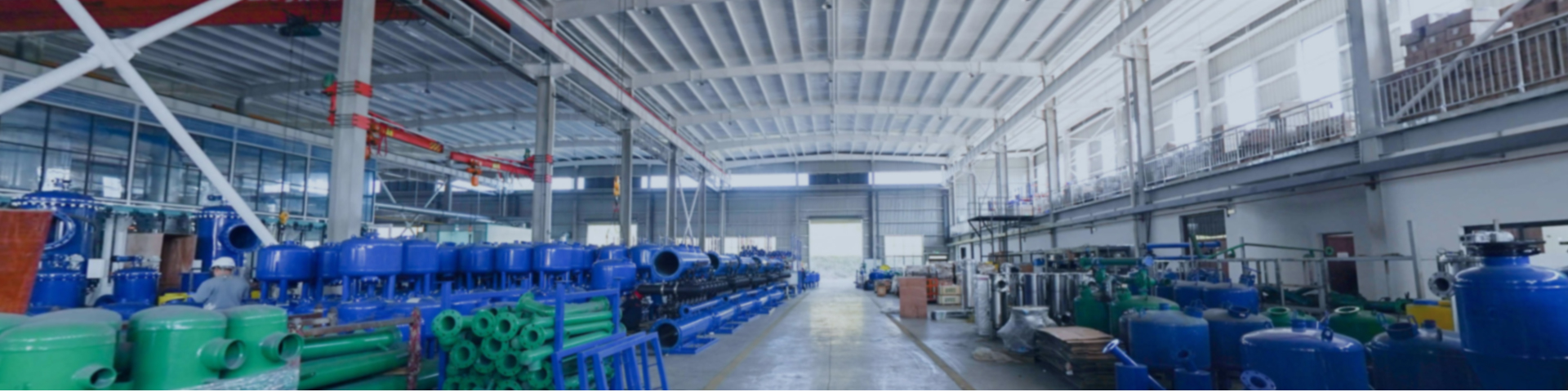
Highly skilled technicians and engineers are central to the success of media filtration agriculture use factory. Through in-house training programs and continuous education initiatives, factory staff stay up to date with the latest filtration technologies and safety protocols. This dedication to expertise enables faster problem-solving, superior innovation, and a smoother production process from design to delivery.
media filtration agriculture use factory plays a vital role in the infrastructure of clean water supply systems. By ensuring that each media filter is engineered with precision, assembled with care, and tested for performance, the factory contributes directly to the reliability of water purification across industries. Its operations support critical functions in agriculture, municipal supply, and industrial wastewater treatment.
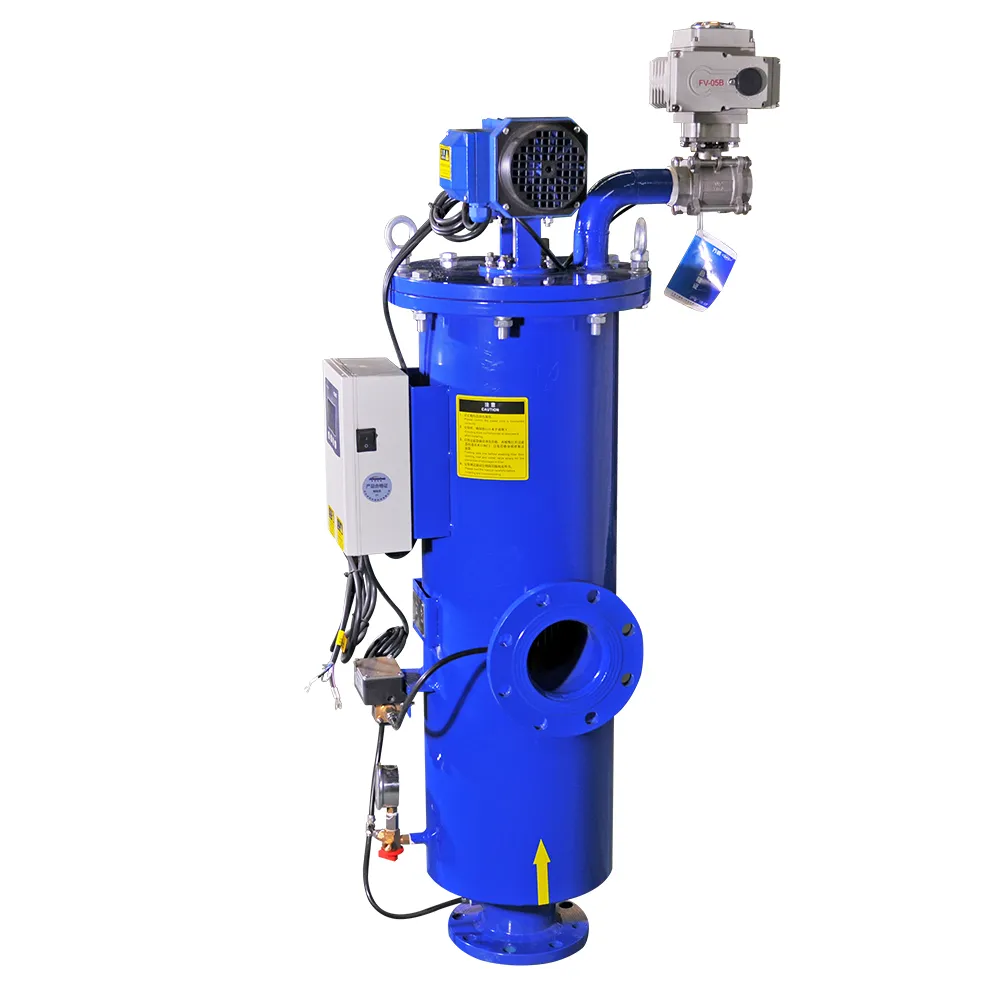
Q: What is the primary function of Media filter factory products? A: Products made by Media filter factory are designed to remove suspended solids and particles from water using layers of granular media. This process is essential in agriculture, industrial processes, and municipal water systems to ensure clean and clear water for various applications. Q: How does the filtration process work in systems made by Media filter factory? A: Filters from Media filter factory pass water through multiple layers of media like sand, gravel, or anthracite. Larger particles are trapped in the upper layers while finer sediments are captured deeper within, ensuring high filtration efficiency across a range of water qualities. Q: What advantages do Media filter factory filters have over other filtration types? A: Media filter factory filters offer large filtration surface area, minimal energy consumption, and easy maintenance. They are particularly effective in treating water with high sediment loads and can operate for extended periods before requiring backwashing. Q: Are Media filter factory systems suitable for automated operations? A: Yes, filtration systems from Media filter factory can be equipped with automatic backwash controls and sensors, allowing them to operate with minimal manual intervention. This enhances system reliability and ensures consistent filtration performance. Q: What are the typical maintenance needs of filters produced by Media filter factory? A: Maintenance mainly involves periodic backwashing to flush out accumulated debris and occasional inspection of media layers. With proper usage, the filtration media in Media filter factory systems can last several years before needing replacement.
I’m impressed by how well this filter intercepts silt. It has significantly reduced maintenance costs and keeps the water clean without affecting pressure.
This irrigation filter does a great job intercepting sand and algae. It stabilizes water flow and ensures even distribution, which has helped our crops grow healthier.
To protect the privacy of our buyers, only public service email domains like Gmail, Yahoo, and MSN will be displayed. Additionally, only a limited portion of the inquiry content will be shown.
Interested in a compact disc filter with low maintenance for greenhouse irrigation. Please share pro...
We need a filter that precisely intercepts silt and sand to protect our irrigation pumps. What’s y...



 EN
EN
 FR
FR
 NL
NL
 RU
RU
 AR
AR
 VI
VI
 LO
LO
 RO
RO
 TH
TH
 MY
MY
 MS
MS
 PT
PT
 ES
ES
 KO
KO
 BE
BE
 JA
JA
 FIL
FIL
 KA
KA
 DE
DE
 IT
IT